

TikTok Campaigns 2026: A Smarter Guide for TikTok Shop Sales
TikTok Campaigns 2026: A Smarter Guide for TikTok Shop Sales
TikTok campaigns can turn ordinary selling periods into high-intent shopping moments, but joining every promotion on the calendar is rarely the best strategy.
For TikTok Shop sellers, the real opportunity comes from choosing campaigns that fit their products, margins, inventory, content capacity, and advertising budget. A campaign calendar should therefore be treated as a planning framework rather than a list of dates to follow blindly.
TikTok Shop regularly runs promotional periods designed to connect sellers, creators, content, advertising, and shopper demand. These events can create stronger visibility and sales opportunities, particularly when sellers prepare before traffic begins to rise.
The challenge is execution.
A store may register for a major sales event and still see disappointing results because its products are poorly positioned, inventory is insufficient, creatives arrive too late, or advertising starts without enough conversion data.
A stronger approach connects the campaign calendar with commercial planning.
TikTok Campaigns Create Structured Opportunities to Increase Shop Sales
TikTok campaigns concentrate promotional activity around specific shopping moments, giving sellers an opportunity to coordinate products, offers, content, creators, livestreams, and paid media. The strongest results usually come from treating each campaign as a complete commercial project rather than simply applying a discount and waiting for additional traffic.
TikTok Shop campaign periods can vary by market and month. Sellers may encounter platform-wide shopping events, category-focused promotions, payday periods, seasonal events, double-date sales, or other special initiatives.
The value of these campaigns is not limited to discounts.
A well-prepared campaign can help a seller:
- Increase product and shop visibility during periods of stronger purchase intent.
- Generate more sales data for future advertising decisions.
- Test product-market fit at higher traffic volumes.
- Discover stronger creative angles through videos and livestreams.
- Build relationships with creators and affiliates.
- Identify hero products capable of scaling beyond the campaign itself.
This is an important distinction. A campaign that produces revenue for three days is useful. A campaign that reveals which product, offer, audience, and creative combination can scale for the next three months is considerably more valuable.
Sellers should therefore measure more than gross merchandise value. Contribution margin, conversion rate, advertising efficiency, cancellation rate, return rate, inventory turnover, and post-campaign performance can reveal whether the growth was commercially sustainable.
A Strong TikTok Campaign Strategy Starts Before the Promotion Goes Live
Successful TikTok campaigns are usually prepared well before the official promotion period. Sellers need enough time to select products, calculate promotional margins, prepare inventory, improve product pages, produce creatives, recruit affiliates, and establish an advertising baseline before competition increases.
A practical preparation cycle can be divided into three phases.
The Pre-Campaign Phase Builds the Performance Baseline
Before increasing spending, sellers should identify which products already demonstrate demand.
Instead of placing an entire catalog into the same campaign, prioritize products with competitive pricing, reliable fulfillment, healthy inventory, strong reviews, attractive video potential, and enough margin to support promotions.
Product pages also deserve attention.
A strong video may generate the click, but the product page must close the sale. Product titles, images, benefits, variations, reviews, vouchers, shipping information, and pricing should give shoppers enough confidence to purchase without unnecessary friction.
This is also the right period to build a creative library.
Rather than relying on one polished brand video, test different hooks, demonstrations, creator styles, problem-solution angles, testimonials, comparisons, and product-use scenarios. TikTok is a creative-led environment, so campaign readiness depends heavily on having enough content to test and refresh.
Businesses without an optimized commerce foundation may consider TikTok Shop Store Setup support before investing aggressively in campaign traffic.
The Live Campaign Phase Prioritizes Conversion and Fast Decisions
Once a campaign is live, the focus shifts from preparation to execution.
Inventory should be monitored closely. Livestream schedules may need to expand during high-traffic periods. Affiliate creators should receive updated promotional information, while paid campaigns need enough budget flexibility to capture demand without sacrificing profitability.
Avoid reacting to every hourly fluctuation.
TikTok performance can move quickly, and small data samples often create misleading signals. Decisions should consider several metrics together rather than treating CTR, CPM, CPC, CPA, or ROAS in isolation.
For example, a higher CPM does not automatically make a campaign inefficient. If conversion rate and average order value improve enough, paying more for valuable traffic can still generate stronger economics.
The same principle applies to CTR. An ad with an impressive click-through rate can still perform poorly if users reach the product page but do not purchase.
Commercial outcomes matter more than vanity metrics.
The Post-Campaign Phase Turns Short-Term Results Into Long-Term Growth
The end of a promotional event should not be the end of the analysis.
Sellers should identify which products generated profitable volume, which creatives drove qualified traffic, which creators produced actual orders, and which customer segments converted most efficiently.
Look for patterns that can be reused.
A product that repeatedly performs during multiple TikTok campaigns may deserve more inventory, additional creator partnerships, new creative variations, or an always-on advertising strategy.
Post-campaign data can also expose operational weaknesses. High sales accompanied by cancellations, delayed fulfillment, poor reviews, or excessive returns may indicate that the business scaled faster than its operations could support.
That insight is valuable before the next major event.
TikTok Advertising Works Best When It Supports the Campaign Objective
TikTok advertising should amplify a clear commercial objective rather than compensate for weak products or unprepared stores. Campaign structure, audience strategy, optimization goals, budgets, and creatives should reflect whether the business needs awareness, traffic, leads, conversions, or direct sales.
Inside TikTok Ads Manager, advertisers work across campaign, ad group, and ad levels.
At the campaign level, the business establishes the main advertising objective. At the ad group level, advertisers can configure elements such as placement, audience targeting, budget, schedule, bidding, and optimization. The ad level contains the creative users ultimately see.
For ecommerce businesses, this structure creates an important planning rule:
Do not scale the budget before understanding what is producing the result.
Suppose one product is promoted through three different creator-style videos. If one creative generates significantly stronger conversion economics, increasing budget behind that combination may be more effective than simply expanding every ad group.
Tracking also matters.
Website-based campaigns should have appropriate event measurement configured before meaningful optimization decisions are made. TikTok’s optimization options vary according to the selected campaign objective and desired result.
Businesses running campaigns across several markets or managing higher advertising volumes may also evaluate Rent TikTok Agency Ad Account services when they need additional operational flexibility.
An agency-supported account should be treated as advertising infrastructure, not as a way to bypass TikTok policies. Advertisers remain responsible for compliant products, creatives, landing pages, targeting practices, and campaign behavior.
TikTok Shop Campaigns Perform Better When Commerce and Content Work Together
TikTok Shop campaigns become more powerful when product operations, organic content, creators, livestreaming, and paid advertising support the same commercial goal. Treating these functions as separate channels often creates fragmented customer journeys and slower campaign optimization.
Consider two sellers offering comparable products.
Seller A registers for a major campaign, applies a discount, and increases ad spend on launch day.
Seller B identifies two hero products weeks earlier, improves the product pages, prepares inventory, produces multiple video concepts, recruits creators, schedules livestream sessions, collects early performance data, and then scales the strongest combinations during the campaign.
Both sellers technically participate in the same event.
Their preparation creates very different probabilities of success.
This is why campaign planning should begin with the product rather than the media budget.
Ask whether the product is easy to demonstrate in short-form video. Determine whether its benefits can be understood quickly. Check whether the promotional price remains profitable after platform costs, affiliate commissions, advertising expenses, fulfillment, returns, and discounts.
Then design content around the buying decision.
A beauty product may need demonstrations and before-and-after storytelling. A household product may perform better when the creative immediately shows the problem it solves. Fashion products may depend more heavily on creator styling, fit demonstrations, and livestream interaction.
The campaign calendar tells sellers when an opportunity exists.
The content strategy determines whether shoppers care.
A Campaign Calendar Becomes More Valuable When Sellers Prioritize the Right Events
A TikTok campaign calendar should be used to allocate resources, not simply to mark promotional dates. Sellers can classify events by expected demand, product relevance, margin potential, inventory requirements, and the amount of content or advertising support needed to compete effectively.
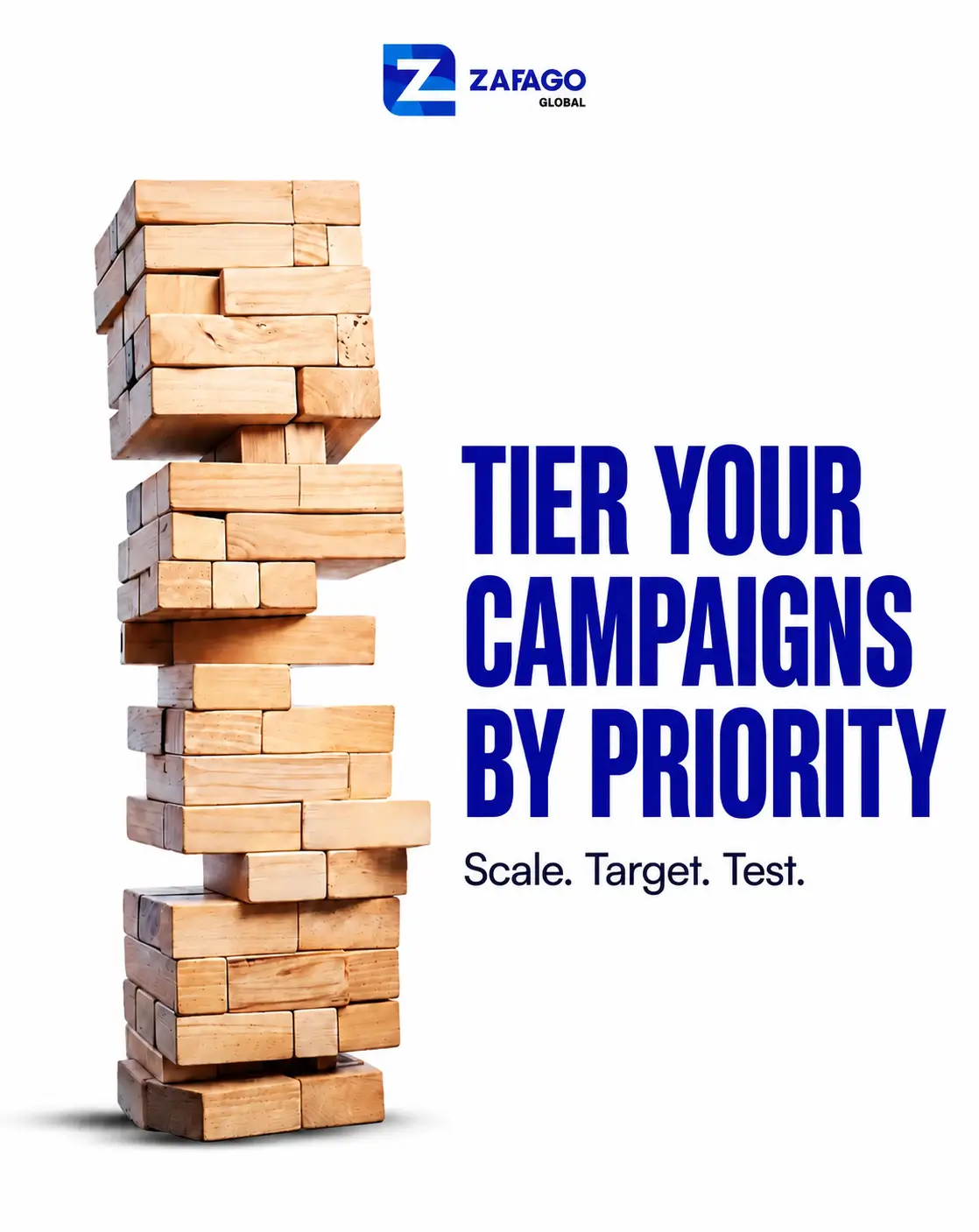
Not every event deserves the same budget.
A useful internal classification is:
Tier 1: Major events with high commercial relevance. These receive the strongest inventory, creator, livestream, and paid-media support.
Tier 2: Category or seasonal opportunities relevant to selected products. These receive targeted resources rather than full-store investment.
Tier 3: Testing opportunities. These are useful for collecting data, validating new products, or experimenting with offers before larger sales periods.
This approach protects both margin and team capacity.
It also creates a more realistic advertising calendar. Rather than repeatedly increasing and cutting spend without context, teams can build testing periods before priority events and reserve scaling budgets for products that have already demonstrated potential.
Campaign dates can change, so sellers should always confirm current eligibility, registration windows, promotional requirements, and event details directly inside TikTok Shop Seller Center before committing inventory or media budget.
TikTok Campaign Performance Improves Through Continuous Testing and Operational Discipline
The best TikTok campaigns are rarely built from a single winning tactic. Sustainable performance comes from repeatedly testing products, creatives, creators, offers, audiences, and conversion experiences while maintaining reliable inventory and fulfillment.
For each major campaign, create a simple performance record.
Document the products promoted, promotional mechanics, creator participation, content formats, advertising spend, revenue, ROAS, conversion rate, average order value, refunds, cancellations, and final contribution margin.
Then add qualitative observations.
Which creative hook attracted qualified shoppers? Which livestream segment triggered orders? Which product generated questions but few purchases? Which creator drove sales rather than views?
This combination of quantitative and qualitative analysis develops institutional knowledge.
Over time, the business stops approaching every TikTok campaign as a new experiment. It begins with a growing library of evidence about what its customers respond to.
That is where campaign planning becomes a repeatable growth system.
Conclusion: TikTok Campaigns Work Best as a Repeatable Growth System
TikTok campaigns can generate short-term sales, but their greater value lies in helping businesses discover repeatable combinations of products, content, creators, offers, and advertising. A strong TikTok campaign strategy therefore connects campaign timing with inventory, creative production, livestreaming, advertising data, and profitability.
Businesses preparing to scale should strengthen the commercial infrastructure behind the traffic. Zafago Digital’s TikTok Shop Store Operations Management service can support sellers that need more structured store execution, while TikTok Advertising Account Management can help businesses manage and optimize paid campaigns more systematically.
For advertisers that require additional account infrastructure when scaling across markets or managing larger media operations, Rent TikTok Agency Ad Account can also be considered as part of the broader advertising setup.
The goal is not to participate in the largest possible number of campaigns. It is to know which campaigns deserve investment, enter them prepared, learn from the resulting data, and turn each sales event into a stronger foundation for the next one.
FAQ
TikTok campaigns help sellers capture demand during promotional periods
TikTok campaigns can provide additional opportunities for visibility, traffic, engagement, and sales around platform or market-specific shopping moments. Results still depend on product competitiveness, pricing, content quality, inventory, fulfillment, creator activity, and advertising execution.
Sellers should prepare TikTok campaigns before the official start date
Preparation should begin early enough to validate products, confirm margins, organize inventory, improve listings, produce creatives, coordinate creators, and collect useful advertising data. Larger campaigns generally require more preparation than small testing events.
Advertising is not mandatory for every TikTok Shop campaign
A seller can generate sales through organic videos, affiliates, livestreaming, Shop discovery, or other TikTok surfaces. Paid advertising can increase reach and accelerate testing, but it works best when the product and conversion journey are already competitive.
TikTok campaign budgets should follow profitability rather than traffic alone
There is no universal campaign budget that works for every seller. Budget decisions should reflect product margin, conversion economics, historical performance, inventory, campaign objectives, and the amount of data required for reliable optimization.
Sellers should not participate in every available TikTok Shop campaign
Selective participation can be more efficient. Campaigns should match the seller’s products, target customers, inventory position, margins, content capacity, and broader commercial priorities.
ZAFAGO Global – Digital Growth Partner
Zafago Global is a Performance Digital Marketing Agency dedicated to partnering with businesses to optimize strategies and drive sustainable revenue growth.
 Office: 21st Floor CMA Building 64 Connaught Road Central, Hong Kong 999077
 Hotline :(+84) 888-025-050
 Email: biz@zafagodigital.com